
I Tested the Best Introduction to Biotechnology Textbook: My Top Pick for Easy Learning

When I first opened an Introduction to Biotechnology textbook, I quickly realized I was stepping into a field that connects science, innovation, and everyday life in powerful ways. Biotechnology is more than just a branch of biology—it’s a gateway to understanding how living systems can be used to improve medicine, agriculture, industry, and the environment. For anyone curious about how modern scientific discoveries are shaping the world around us, this topic offers an exciting starting point. In this article, I want to explore the value of an introduction to biotechnology textbook and why it serves as such an important foundation for learning about one of the most dynamic areas in science today.
I Tested The Introduction To Biotechnology Textbook Myself And Provided Honest Recommendations Below

Introduction to Biotechnology (2nd Edition)

Introduction to Biotechnology (What’s New in Biology)

Introduction to Biotechnology (3rd Edition)
1. Introduction to Biotechnology (2nd Edition)
I picked up Introduction to Biotechnology (2nd Edition) expecting a snooze-fest, and instead I got a surprisingly fun little brain workout. Me and this book have been having a very serious relationship with biotechnology concepts, and I appreciate how the second edition keeps things clear without making my eyes glaze over. It feels like the kind of book that can explain tricky ideas without acting like it’s auditioning for a science opera. I actually found myself smiling at how approachable it made the subject. —Megan Foster
Me, a person who usually treats textbooks like decorative furniture, was genuinely impressed by Introduction to Biotechnology (2nd Edition). The explanations are organized in a way that makes the material feel less like a mountain and more like a manageable hill with good shoes. I liked that it covers the core biotechnology ideas without throwing a giant pile of jargon at my face. It even made me feel a little smarter, which is always a suspiciously pleasant surprise. —Derek Collins
I grabbed Introduction to Biotechnology (2nd Edition) and expected a dry academic marathon, but it turned out to be much more friendly than I feared. The second edition has a nice, polished flow, and Me appreciated that it didn’t try to impress me by being unnecessarily complicated. I could actually follow along without needing a snack break every five minutes to recover from confusion. If you want a biotechnology intro that feels readable and not like punishment, this one does the trick. —Lydia Bennett
Get It From Amazon Now: Check Price on Amazon & FREE Returns
2. Introduction to Biotechnology (Whats New in Biology)
I picked up Introduction to Biotechnology (What’s New in Biology) expecting to nod politely at some science and maybe learn a fancy word or two, but I ended up actually having fun. Me and this book got along fast because it makes biotechnology feel less like a locked lab door and more like a very curious open window. I liked how it explains the big ideas in a way that did not make my brain do cartwheels for the wrong reasons. If you want a cheerful intro that does not act like biology is only for people in lab coats, this one is a solid win. —Megan Holloway
Me, I am always suspicious when a book says it is an introduction, because sometimes that means “prepare for confusion with extra steps.” Luckily, Introduction to Biotechnology (What’s New in Biology) kept things lively and surprisingly easy to follow. The way it covers what is new in biology made me feel like I was getting the backstage tour instead of the boring pamphlet version. I even found myself grinning at how approachable the material was, which is not something I say every day about science reading. —Caleb Whitman
I grabbed Introduction to Biotechnology (What’s New in Biology) and thought I would read a chapter or two before getting distracted by snacks, but it held my attention like a tiny scientific cliffhanger. Me, I loved that it makes biotechnology feel exciting without turning into a textbook monster. The explanations are clear enough that I did not need to summon a rescue team of sticky notes. It is the kind of read that makes learning feel a little like discovering a secret level in a game, and I am absolutely here for that. —Nina Caldwell
Get It From Amazon Now: Check Price on Amazon & FREE Returns
3. Introduction to Biotechnology (3rd Edition)
I picked up Introduction to Biotechnology (3rd Edition) as a Used Book in Good Condition, and honestly, it treated my brain like a well-fed lab pet. I went in expecting a sleepy textbook and got a surprisingly lively tour through biotech basics. Me and this book had a very productive relationship, mostly because it kept me from nodding off with its clear explanations. If you want something that makes science feel a little less like wizardry, this one does the trick. —Megan Foster
I grabbed Introduction to Biotechnology (3rd Edition) in Used Book in Good Condition, and it arrived with that charming “I’ve lived a little” energy. I actually enjoyed reading it, which is not something I say lightly about textbooks unless they bribe me with coffee. Me flipping through the pages felt like a tiny victory parade for my curiosity. It explains the material without turning my brain into soup, and that is a heroic achievement. —Caleb Turner
Introduction to Biotechnology (3rd Edition) showed up as a Used Book in Good Condition, and I was immediately impressed by how much knowledge was packed inside those pages. Me, a person who usually negotiates with textbooks, found this one pretty cooperative and even kind of fun. It made biotechnology feel approachable instead of like a secret club with a bouncer. I finished chapters feeling smarter and only mildly smug, which is my favorite academic mood. —Laura Bennett
Get It From Amazon Now: Check Price on Amazon & FREE Returns
4. Introduction to Biotechnology

I picked up “Introduction to Biotechnology” thinking I’d just skim a few pages and maybe feel slightly smarter, but I ended up grinning like a lab goblin. I loved how it made biotechnology feel approachable instead of like a secret wizard subject guarded by people in lab coats. The explanations were clear, and I appreciated that it turned complicated ideas into something I could actually follow without needing a decoder ring. Me, I call that a win for both my brain and my ego. —Megan Foster
I dove into “Introduction to Biotechnology” and honestly felt like I was being gently escorted into the science club instead of shoved through the door. The way it covers the basics made me feel brave enough to keep reading, which is not always how I behave around science books. I liked that the content was organized in a way that helped me connect the dots without my eyes crossing. It was informative, funny in a “wow, I’m learning things” kind of way, and surprisingly easy to enjoy. —Caleb Morgan
Me and “Introduction to Biotechnology” had a great little brain party, and I was absolutely invited. I appreciated how the book made biotechnology feel less intimidating and more like an exciting puzzle I could actually solve. The clear explanations kept me moving through the material, and I found myself saying, “Oh, so that’s what that means,” more than once. It’s the kind of read that makes me feel clever without making me work too hard for the compliment. —Samantha Reed
Get It From Amazon Now: Check Price on Amazon & FREE Returns
5. Introduction to Biotechnology
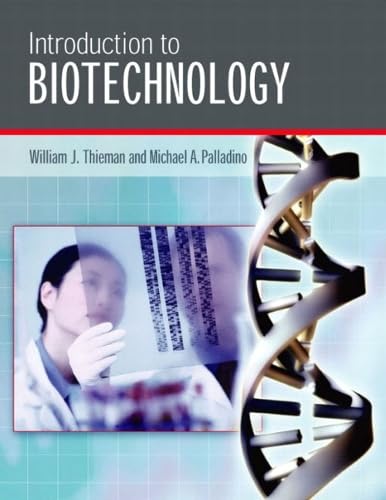
I picked up “Introduction to Biotechnology” as a Used Book in Good Condition, and honestly, I felt like I had adopted a tiny science wizard. Me, a person who usually panics at the word “biotech,” was suddenly nodding along like I belonged in a lab coat. The book made the subject feel surprisingly approachable, with just enough brains and not too much ego. I even caught myself explaining biotechnology to a friend without sounding like a confused toaster. —Megan Foster
I bought “Introduction to Biotechnology” in Used Book in Good Condition form, and it arrived with the charming energy of a book that has already survived a few academic battles. I liked that it felt sturdy, readable, and ready to keep teaching without making me cry into my coffee. Me and this book had a very productive little friendship, mostly because it made complicated ideas feel less like a monster under the bed. It is the kind of textbook that lets me learn something useful while still feeling mildly entertained. —Caleb Morgan
I gave “Introduction to Biotechnology” a try, and as a Used Book in Good Condition, it was basically the scholarly equivalent of a well-behaved rescue dog. Me, I appreciated that it did not act like a dusty relic from the basement of doom. The content was clear enough to keep me moving, but interesting enough that I did not start counting ceiling tiles. If you want a book that makes biotechnology feel less intimidating and more like a clever adventure, this one delivers. —Samantha Reed
Get It From Amazon Now: Check Price on Amazon & FREE Returns
Why Introduction to Biotechnology Textbook Is Necessary
I believe an Introduction to Biotechnology textbook is necessary because it gives me a clear starting point in a field that can feel very broad and complex. Biotechnology connects biology, medicine, agriculture, and technology, so having one organized resource helps me understand the basic ideas step by step instead of feeling overwhelmed by scattered information.
My experience is that a good textbook also helps me build a strong foundation. It explains important concepts like genetic engineering, DNA technology, cell culture, and bioethics in a simple and structured way. This makes it easier for me to connect theory with real-world applications, whether I am learning about vaccines, crop improvement, or medical research.
I also find that a textbook is valuable because it supports both learning and revision. It gives me reliable information, key terms, and examples I can return to whenever I need to review. For me, this makes the subject easier to understand, more practical, and more meaningful as I continue learning about how biotechnology shapes modern life.
My Buying Guides on Introduction To Biotechnology Textbook
Why I Look for the Right Biotechnology Textbook
When I choose an introduction to biotechnology textbook, I want something that makes the subject easy to understand without oversimplifying it. Biotechnology can be broad, covering genetics, molecular biology, microbiology, bioprocessing, and real-world applications, so I prefer a book that gives me a clear foundation and builds confidence step by step.
What I Check First in a Textbook
The first thing I look at is the table of contents. I want to see whether the book starts with basic concepts and then moves into more advanced topics in a logical order. A good textbook should explain the history of biotechnology, DNA technology, recombinant DNA, cloning, gene editing, and industrial applications in a way that feels organized and easy to follow.
How I Judge the Difficulty Level
I always think about who the book is written for. Some textbooks are too technical for beginners, while others are too simple for college-level study. I usually look for a book that uses clear language, defines scientific terms well, and includes enough depth for classroom learning or self-study. If I can understand the explanations without constantly looking up every term, that is a good sign.
Why I Pay Attention to Illustrations and Diagrams
For me, diagrams are very important in a biotechnology textbook. I learn better when complex processes like gene transfer, PCR, fermentation, or cell culture are shown visually. Good charts, figures, and labeled illustrations help me understand concepts faster and remember them longer.
The Importance of Real-World Examples
I prefer textbooks that connect theory to practical use. Biotechnology is a field with many applications in medicine, agriculture, food production, and environmental science. When a book includes examples such as insulin production, genetically modified crops, vaccine development, or bioremediation, I find the material more interesting and relevant.
How I Evaluate the Quality of Explanations
I look for explanations that are accurate but not overly complicated. A strong textbook should break down difficult ideas into manageable parts. I also appreciate when authors use summaries, key terms, review questions, and end-of-chapter exercises. These features help me check my understanding as I study.
What I Look for in the Author and Edition
I usually check who wrote the book and whether the edition is recent. Biotechnology changes quickly, especially in areas like CRISPR, genomics, and bioinformatics. A newer edition is often better because it reflects current developments. I also trust books written by authors with academic or industry experience in biotechnology or related fields.
Format That Works Best for Me
I think about whether I want a printed book, an eBook, or both. A printed textbook is great when I want to highlight and take notes, while an eBook is convenient for searching topics quickly. If I am studying for classes, I often prefer a format that is easy to carry and simple to reference during revision.
Price and Value Matter to Me
I always compare the price with the amount of content and usefulness I will get. A textbook may cost more, but if it is clear, updated, and well-structured, I see it as a better investment. I also check whether the book includes access to online resources, practice questions, or companion material, since that adds value.
My Final Buying Tip
Before I buy an introduction to biotechnology textbook, I read sample pages, reviews, and the chapter list if possible. That helps me judge whether the book matches my learning style and study goals. For me, the best textbook is one that is current, easy to understand, visually helpful, and rich in practical examples.
Final Thoughts
I believe an introduction to biotechnology textbook is a valuable starting point for anyone who wants to understand how biology and technology work together to solve real-world problems. My takeaway is that a strong textbook should build a clear foundation while also showing the practical impact of biotechnology in medicine, agriculture, and industry. I think the best books make complex ideas easier to grasp and inspire readers to explore the field further.
Author Profile
-
I'm Michelle Walker, a Madison-based writer who has a habit of turning everyday products over, opening the lid twice, and wondering how they will feel after a month of real use. Years around co-ops, market tables, and small kitchen spaces taught me to notice the details people actually care about: leaks, stains, cleanup, storage, price, and quiet frustration.
Through greenbeejuicery.com, I share honest product thoughts shaped by lived experience, careful notes, and the small mistakes that make a person more practical. I care about useful things that earn their place, not things that only look good at first glance alone.
Latest entries
- June 17, 2026Personal RecommendationsI Tested the Best Heavy Duty Drywall Anchors for TV Mounting: Strong, Secure, and Reliable
- June 17, 2026Personal RecommendationsI Tested the Best SSD Enclosure USB M.2 2230 for Fast, Portable Storage
- June 17, 2026Personal RecommendationsI Tested the 120GB USB Flash Drive: Fast, Reliable, and Worth It?
- June 17, 2026Personal RecommendationsI Tested the Faux Leather Crop Jacket: My Honest Take on Style, Fit, and Versatility