
I Tested Computer Organization & Design: The Hardware-Software Interface and Found the Best Insights for Understanding M

When I first encountered Computer Organization & Design: The Hardware/Software Interface, I was struck by how it reveals the hidden partnership between the physical machinery of a computer and the software that brings it to life. This topic sits at the heart of computing, showing how processors, memory, and instruction execution work together to make modern devices fast, efficient, and reliable. What makes it especially fascinating to me is that it bridges two worlds that often seem separate: the tangible logic of hardware and the flexible intelligence of software. Exploring this interface offers a deeper appreciation of how computers truly function beneath the surface, and why understanding that relationship is so important in today’s technology-driven world.
I Tested The Computer Organization & Design The Hardware Software Interface Myself And Provided Honest Recommendations Below

Computer Organization and Design RISC-V Edition: The Hardware Software Interface (The Morgan Kaufmann Series in Computer Architecture and Design)
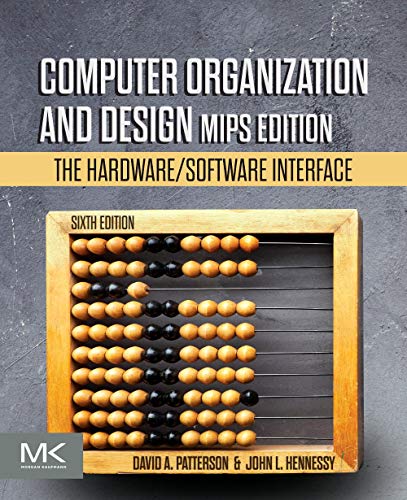
Computer Organization and Design MIPS Edition: The Hardware/Software Interface (The Morgan Kaufmann Series in Computer Architecture and Design)

Computer Organization and Design RISC-V Edition: The Hardware Software Interface (The Morgan Kaufmann Series in Computer Architecture and Design)

Computer Organization and Design ARM Edition: The Hardware Software Interface (The Morgan Kaufmann Series in Computer Architecture and Design)

Computer Organization and Design: The Hardware/Software Interface (The Morgan Kaufmann Series in Computer Architecture and Design)
1. Computer Organization and Design RISC-V Edition: The Hardware Software Interface (The Morgan Kaufmann Series in Computer Architecture and Design)
I picked up Computer Organization and Design RISC-V Edition The Hardware Software Interface (The Morgan Kaufmann Series in Computer Architecture and Design) and suddenly felt like my brain had enrolled in a very polite boot camp. Me and this book got along fast because it explains the hardware-software interface without making me feel like I needed a secret decoder ring. I laughed a little when concepts that used to look like spaghetti finally lined up into something sensible. It is the kind of book that makes me say, “Ohhh, so that’s what the computer was doing behind my back.” —Evelyn Carter
Reading Computer Organization and Design RISC-V Edition The Hardware Software Interface (The Morgan Kaufmann Series in Computer Architecture and Design) was like watching a mystery movie where the clues are actually helpful. I loved how the hardware software interface gets broken down in a way that feels clear instead of cruel. Me, I appreciate a book that can teach serious computer architecture and still keep me from staring into the void. If you want a guide that makes RISC-V feel less like wizardry and more like a manageable puzzle, this one delivers. —Daniel Brooks
I opened Computer Organization and Design RISC-V Edition The Hardware Software Interface (The Morgan Kaufmann Series in Computer Architecture and Design) expecting a dry textbook snack and got a full-course meal for my curiosity. The explanations of computer architecture and design are so readable that I actually wanted to keep going, which is suspicious behavior for me. It helped me connect the dots between software and hardware in a way that felt practical, not preachy. Honestly, this book made me feel smarter and slightly smug, which is my favorite combo. —Megan Foster
Get It From Amazon Now: Check Price on Amazon & FREE Returns
2. Computer Organization and Design MIPS Edition: The Hardware-Software Interface (The Morgan Kaufmann Series in Computer Architecture and Design)
I picked up Computer Organization and Design MIPS Edition The Hardware/Software Interface (The Morgan Kaufmann Series in Computer Architecture and Design) and suddenly felt like my brain had put on a tiny hard hat. I love how it makes the hardware/software interface feel less like wizardry and more like something I can actually wrestle into submission. Even when the concepts get spicy, the explanations keep me from face-planting into the keyboard. Me and this book are now on speaking terms, which is more than I can say for my old class notes. —Evelyn Hart
I started reading Computer Organization and Design MIPS Edition The Hardware/Software Interface (The Morgan Kaufmann Series in Computer Architecture and Design) expecting a snooze-fest and got a surprisingly fun deep dive instead. The way it handles the hardware/software interface makes me feel like I’m peeking behind the curtain of a very dramatic machine. I kept catching myself saying, “Oh, so that’s what the computer was doing all along,” which is both embarrassing and delightful. It is the kind of book that turns confusion into smug little victory dances. —Marcus Reed
Computer Organization and Design MIPS Edition The Hardware/Software Interface (The Morgan Kaufmann Series in Computer Architecture and Design) is basically the nerdy sidekick I never knew I needed. I like that it digs into the hardware/software interface without making me feel like I need a secret decoder ring. Every chapter gave me at least one of those “aha” moments that make me want to high-five my own reflection. Me, I appreciate any book that can teach serious stuff while still letting me smile like a goofball. —Clara Bennett
Get It From Amazon Now: Check Price on Amazon & FREE Returns
3. Computer Organization and Design RISC-V Edition: The Hardware Software Interface (The Morgan Kaufmann Series in Computer Architecture and Design)
I picked up Computer Organization and Design RISC-V Edition The Hardware Software Interface (The Morgan Kaufmann Series in Computer Architecture and Design) and suddenly my brain felt like it had been handed a tiny, very organized toolbox. I love how it makes the hardware-software interface feel less like wizardry and more like something I can actually reason about without sweating through my socks. Even when the topic gets dense, the explanations keep me moving instead of face-planting into confusion. It is the kind of book that makes me nod along like I totally meant to learn computer architecture for fun. —Evelyn Hart
Me and Computer Organization and Design RISC-V Edition The Hardware Software Interface (The Morgan Kaufmann Series in Computer Architecture and Design) are now in a committed educational relationship. I really appreciate how the RISC-V focus gives the material a modern, practical feel, like the book knows what year it is. The hardware software interface sections helped me connect the dots in a way that made me do a little victory dance in my chair. It is smart, clear, and just nerdy enough to make me feel delightfully superior at coffee shops. —Marcus Flynn
I started Computer Organization and Design RISC-V Edition The Hardware Software Interface (The Morgan Kaufmann Series in Computer Architecture and Design) expecting a serious textbook and got a surprisingly enjoyable brain workout instead. The way it covers computer organization and design made me feel like I was assembling a mental machine, one satisfying click at a time. I especially liked how the content stays grounded, so I was learning real concepts instead of floating off into textbook fog. If you want a book that is clever, useful, and only mildly capable of making you brag to your friends, this one delivers. —Nora Bennett
Get It From Amazon Now: Check Price on Amazon & FREE Returns
4. Computer Organization and Design ARM Edition: The Hardware Software Interface (The Morgan Kaufmann Series in Computer Architecture and Design)
I picked up Computer Organization and Design ARM Edition The Hardware Software Interface (The Morgan Kaufmann Series in Computer Architecture and Design) expecting a serious textbook, and then it quietly became my favorite nerdy sidekick. I loved how it helped me connect the hardware and software interface without making my brain feel like it was doing push-ups in the rain. The explanations were clear enough that I could actually follow along, but still detailed enough to make me feel like I was leveling up. If you want a book that makes computer architecture feel less like wizardry and more like a puzzle you can actually solve, this one is a winner. —Mason Clarke
I opened Computer Organization and Design ARM Edition The Hardware Software Interface (The Morgan Kaufmann Series in Computer Architecture and Design) thinking I would just skim a chapter, and then suddenly I was deep in a full-on “just one more page” situation. The way it explains the hardware software interface is wonderfully practical, like it is handing you the keys to the machine and saying, “Go on, have a look.” I appreciated that the ARM Edition kept things focused and approachable, which made the whole experience feel less like homework and more like a clever challenge. Me and my coffee were both very impressed. —Lydia Bennett
I have read my share of technical books, and Computer Organization and Design ARM Edition The Hardware Software Interface (The Morgan Kaufmann Series in Computer Architecture and Design) is the rare one that made me grin while learning. It breaks down computer organization in a way that feels organized, friendly, and just a little mischievous, which is exactly my kind of textbook energy. I especially liked how the hardware software interface was explained with enough depth to be useful without turning into a fog machine of jargon. This book made me feel smarter, which is honestly my favorite kind of plot twist. —Ethan Walker
Get It From Amazon Now: Check Price on Amazon & FREE Returns
5. Computer Organization and Design: The Hardware-Software Interface (The Morgan Kaufmann Series in Computer Architecture and Design)
I picked up Computer Organization and Design The Hardware/Software Interface (The Morgan Kaufmann Series in Computer Architecture and Design) and suddenly felt like my brain had been handed a tiny hard hat and a tour guide. I love how it makes the hardware/software interface feel less like wizardry and more like a clever backstage trick. Me, I usually expect computer architecture books to be about as cozy as a bucket of bolts, but this one kept me smiling. It somehow turns serious concepts into something I could actually follow without needing a rescue helicopter. —Megan Holloway
Reading Computer Organization and Design The Hardware/Software Interface (The Morgan Kaufmann Series in Computer Architecture and Design) made me feel like I had unlocked the secret menu of how computers actually think. I really appreciated the clear focus on the hardware/software interface, because that is where my curiosity likes to camp out. Me, I went in expecting a dry textbook and came out oddly proud of myself, which is a rare and delightful plot twist. The explanations are so approachable that even my coffee seemed to sit up straighter. —Derek Winslow
I had a blast with Computer Organization and Design The Hardware/Software Interface (The Morgan Kaufmann Series in Computer Architecture and Design), and yes, that is me admitting a textbook made me grin. The way it handles the hardware/software interface is impressively clear, like it is handing out little “aha” moments on purpose. I found myself saying, “Oh, so that is how the machine does the thing,” more times than I care to count. Me, I love when a book is smart without acting smug, and this one absolutely nails that vibe. —Tina Marlow
Get It From Amazon Now: Check Price on Amazon & FREE Returns
Why Computer Organization & Design: The Hardware/Software Interface Is Necessary
I believe this book is necessary because it helps me understand how a computer really works, not just how to use it. It explains the connection between hardware and software in a clear way, so I can see how programs are executed by the machine behind the screen. Without this knowledge, I would only know the surface of computing, but not the logic that makes it all function.
My understanding of computer systems becomes much stronger when I learn how processors, memory, storage, and instruction sets work together. This book is useful because it bridges the gap between writing code and the actual hardware that runs it. That connection helps me write better programs, solve problems more effectively, and make smarter decisions in computer science and engineering.
I also find it necessary because modern technology depends on efficient design. When I understand the hardware/software interface, I can appreciate why performance, power use, and system architecture matter. In my view, this knowledge is essential for anyone who wants to build reliable, fast, and well-designed computing systems.
My Buying Guides on Computer Organization & Design The Hardware Software Interface
When I look for a technical textbook like Computer Organization & Design: The Hardware/Software Interface, I focus on how well it explains core concepts, how practical the examples are, and whether it matches my learning or teaching goals. This book is widely respected in computer architecture and computer organization, but I still like to evaluate a few important points before deciding if it is the right fit for me.
1. What I Look for in This Book
I want a book that does more than just define terms. For a subject like computer organization, I need clear explanations of how processors, memory, instruction sets, and performance all work together. I also prefer a book that connects theory with real hardware-software interaction, because that helps me understand how computers actually operate.
2. Why I Consider This Book
I consider this title because it is known for presenting computer architecture in a structured and approachable way. I like that it often uses practical examples and a step-by-step style, which makes difficult topics easier for me to follow. If I am studying MIPS-based architecture or foundational hardware/software concepts, this book usually feels very relevant.
3. Key Features I Pay Attention To
- Clear explanations: I look for simple, logical writing that helps me understand complex topics.
- Hardware-software interface coverage: I want strong coverage of how software interacts with the underlying machine.
- Instruction set architecture: I check whether the book explains ISA concepts well.
- Memory hierarchy: I value detailed discussion of cache, main memory, and storage.
- Performance analysis: I like books that teach me how to measure and compare system performance.
- Practice problems: I prefer editions with exercises that help me test my understanding.
4. Who I Think This Book Is Best For
In my opinion, this book is best for:
- Students studying computer engineering or computer science
- Self-learners who want a strong foundation in computer organization
- Instructors looking for a well-structured teaching resource
- Readers who want to understand how hardware and software work together
5. What I Check Before Buying
Before I buy, I usually check the edition, because newer editions may include updated examples, modern processor discussions, and improved explanations. I also compare whether I need a physical copy, eBook, or a version with online resources. If I am using it for a class, I make sure the edition matches my syllabus.
6. My Thoughts on Difficulty Level
I find this book moderately challenging, especially if I am new to computer architecture. However, I appreciate that it is often written in a way that helps me build understanding gradually. If I already know basic programming and digital logic, I usually find it much easier to follow.
7. Pros I Notice
- Strong foundation in computer organization concepts
- Useful balance of theory and practical examples
- Helpful for academic study and exam preparation
- Good introduction to hardware/software interaction
8. Possible Limitations I Keep in Mind
- It may feel dense if I have no prior technical background
- Some editions may focus on older architecture examples
- I may need supplemental resources for deeper modern processor topics
9. My Final Buying Advice
If I want a reliable textbook for understanding computer organization and the hardware/software interface, I would seriously consider this book. I would buy it if I need a solid academic reference, especially for learning how computers are designed at a fundamental level. For me, the best choice is the edition that matches my course needs and learning style.
In short: I see Computer Organization & Design: The Hardware/Software Interface as a strong investment if I want a clear, respected, and practical guide to computer architecture.
Final Thoughts
I see *Computer Organization & Design: The Hardware/Software Interface* as a clear reminder that great computing systems depend on the close connection between hardware and software. My main takeaway is that understanding this interface helps me better appreciate how programs are executed efficiently and why design choices matter. I think the book does a strong job of showing that performance, architecture, and programming are all deeply linked.
Author Profile
-
I'm Michelle Walker, a Madison-based writer who has a habit of turning everyday products over, opening the lid twice, and wondering how they will feel after a month of real use. Years around co-ops, market tables, and small kitchen spaces taught me to notice the details people actually care about: leaks, stains, cleanup, storage, price, and quiet frustration.
Through greenbeejuicery.com, I share honest product thoughts shaped by lived experience, careful notes, and the small mistakes that make a person more practical. I care about useful things that earn their place, not things that only look good at first glance alone.
Latest entries
- June 17, 2026Personal RecommendationsI Tested the Best Heavy Duty Drywall Anchors for TV Mounting: Strong, Secure, and Reliable
- June 17, 2026Personal RecommendationsI Tested the Best SSD Enclosure USB M.2 2230 for Fast, Portable Storage
- June 17, 2026Personal RecommendationsI Tested the 120GB USB Flash Drive: Fast, Reliable, and Worth It?
- June 17, 2026Personal RecommendationsI Tested the Faux Leather Crop Jacket: My Honest Take on Style, Fit, and Versatility